Sunday, November 22, 2020: Chicago, IL
Part of our “What is America?” series
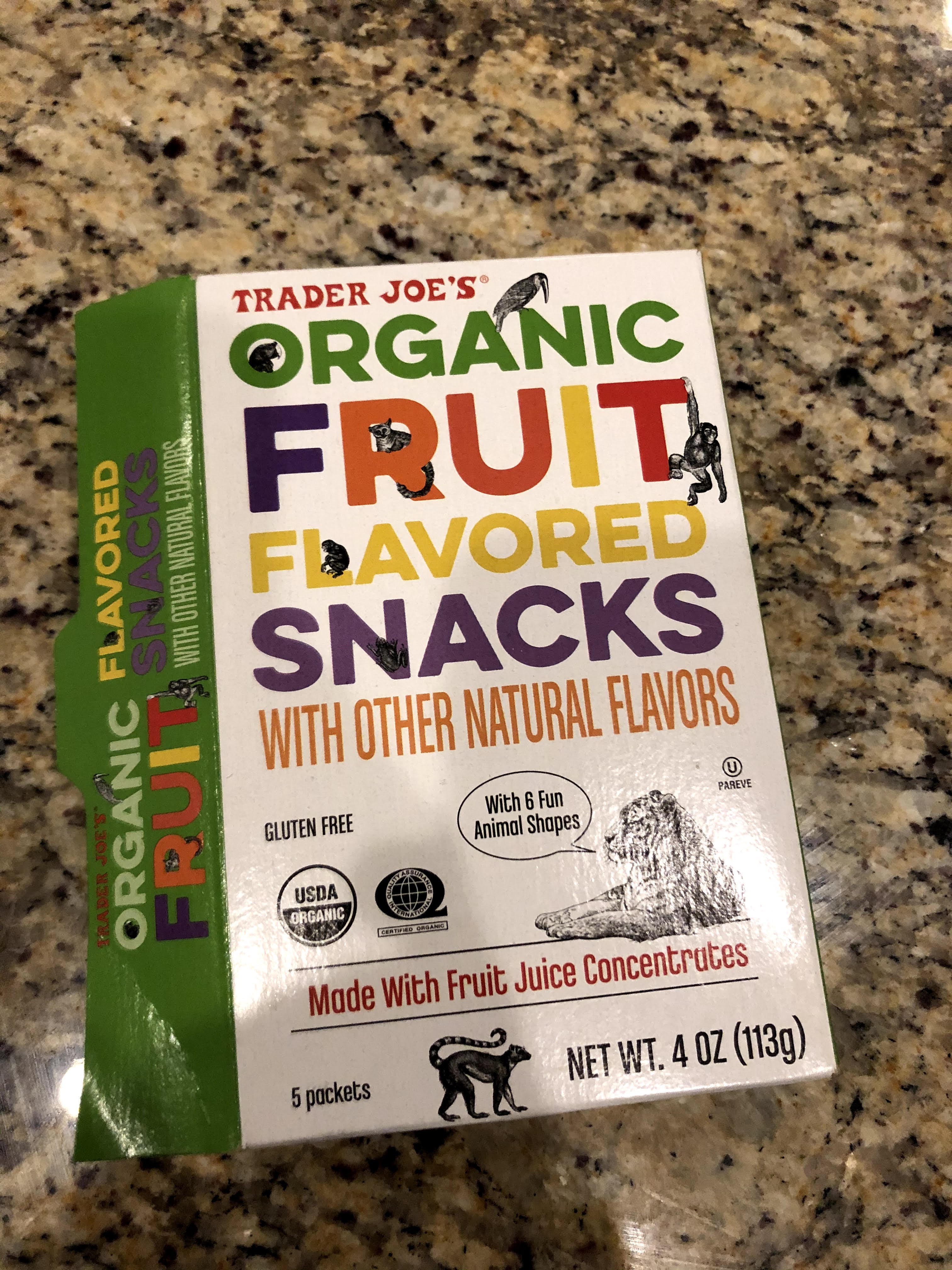
Trader Joe’s Organic Fruit Flavored Snacks with Other Natural Flavors
With the weather turning sour and the second wave kicking into gear, grocery runs again became my main reason for leaving home come November. Living in a Trader Joe’s desert since August, I had only sporadic occasion to make the trek to one of their locations, and along with a few Dark Chocolate Ganache Mini Sheet Cakes and five to six canisters of Colombia Supremo Medium Roast, I would find a new kind of gummies to keep the habit alive.
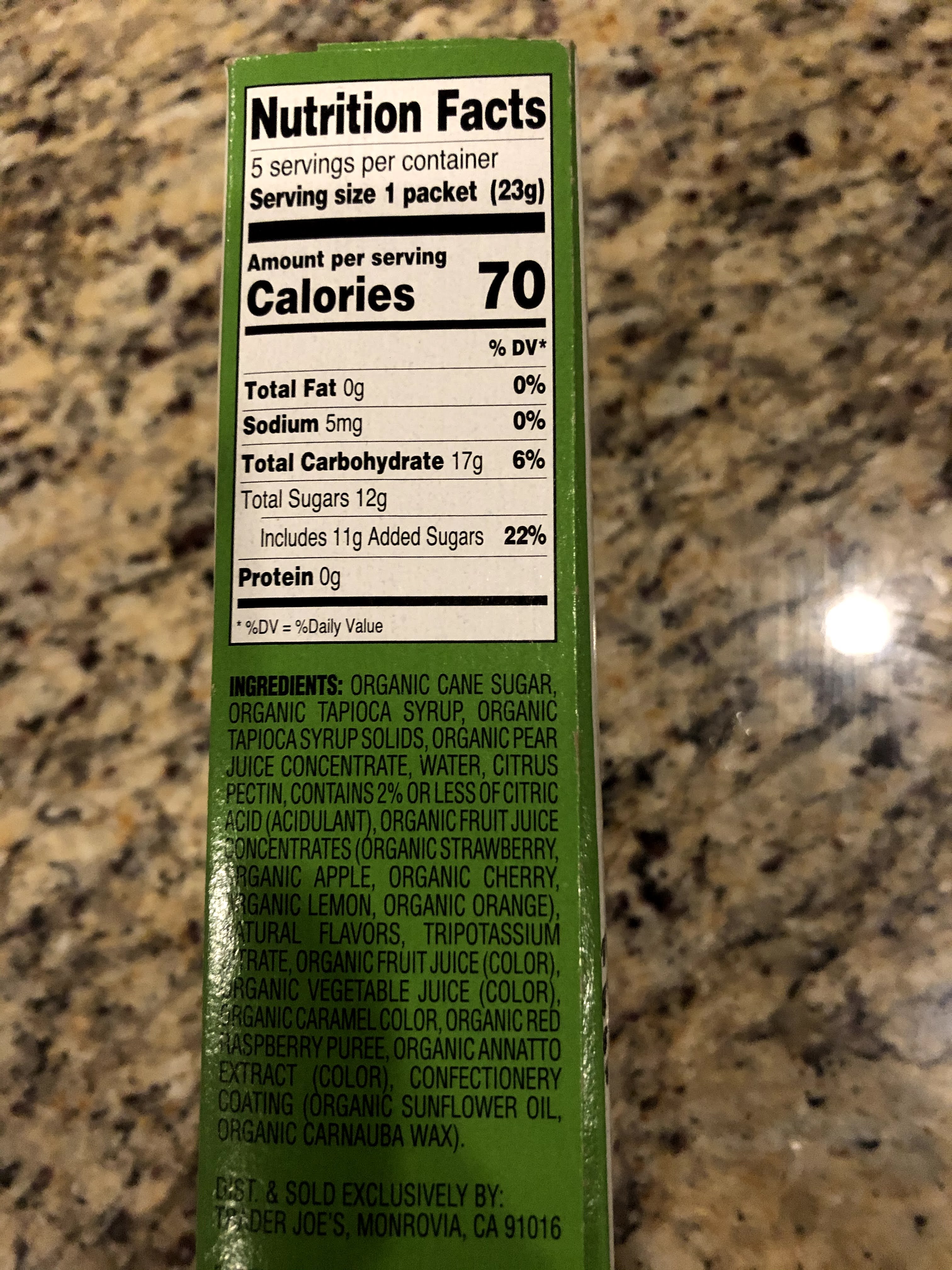
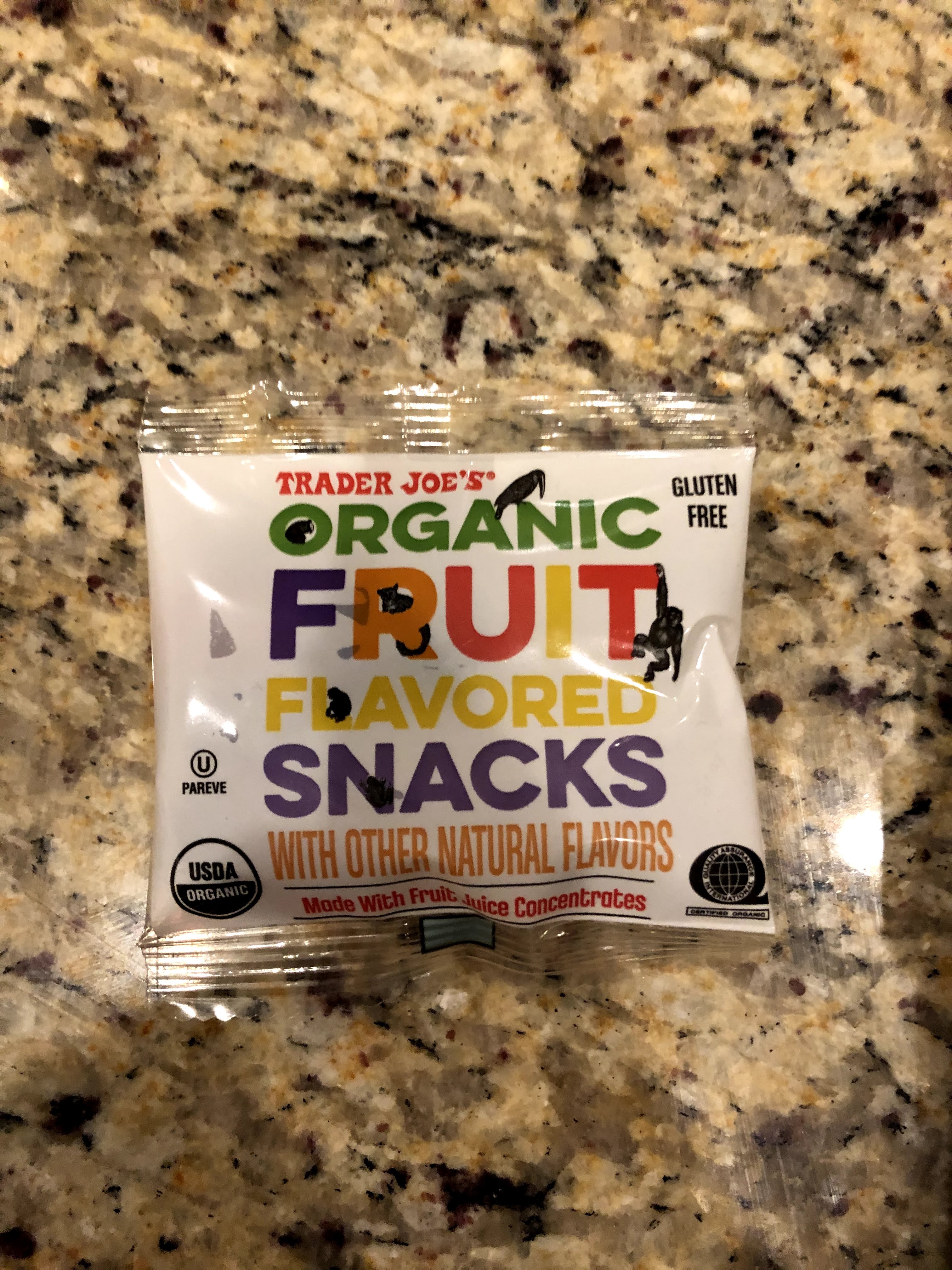
My overall reaction: I probably would not get these again. The texture: slightly gritty – just barely – and rather chewy once broke into. I don’t like my gummies to be too much work. As for the flavor: a little too sweet. The flavors blurred together – the vibrant colors did not match to similarly distinguishable tastes. The light orange was the only one I really liked. “Organic fruit flavor,” at least, was accurate, as was “other natural flavors”: organic pear juice concentrate is the fourth listed flavor (right behind organic tapioca syrup solids), well above the “2% or less of” marker. Strawberry, apple, cherry, lemon, and orange organic fruit juice concentrates “fruit” (color) and “vegetable” (color) juices, organic red raspberry puree, and even organic annatto extract all make appearances below it.
American Carnage by Tim Alberta
I first heard about this book when Politico Magazine published an advance excerpt, “Mother Is Not Going to Like This,” telling the story of the infamous Access Hollywood tape. It’s a hilarious, absurd, horrifying tale, exhibiting the author’s detailed research, thorough understanding of the Republican Party, and knack for narrative. Granted, politics has been very much the opposite of dry the past half decade, but Tim Alberta really knows how to capture its craziness and put it on the page, in this case over 600 of them.
It was easily the best book I read during the disastrous year of 2020. I probably picked the wrong time for it, with political anxiety already permeating my days, my nights, and much of the USA’s collective attention, but at least I didn’t try it two months later. I’m not sure the author truly answers the fundamental question, “How did we get to Trump?” But he masterfully traces the watershed moments across which America’s conservative party so radically transformed itself. I remember well the 2011 debt ceiling crisis summer, which I spent as a disillusioned, self-proclaimed moderate interning for a conservative Republican Senator, during which the minority party steadfastly refused to cede an inch of legislative ground, though they approach inherently meant utter gridlock and government malfunction. There was so much more: the ’08 financial crisis, Sarah Palin as harbinger, Democrats’ unilateralism during the bailout and Republican intransigence during the Affordable Care Act debate, the rise of the Tea Party, Eric Cantor’s loss and Thad Cochran’s primary, the killings of Michael Brown and Eric Garner, Marco Rubio’s rejection of an early alliance overture from Ted Cruz. Alberta grounds these events in our collective memory with continuous pop cultures references: for example, a Britney Spears spectacle as the second biggest news story the day John McCain announced his 2008 candidacy. We hear about a Kardashian wedding as a metaphor for the state of straight marriage, the 50 Shades series as a sign of cultural change, the Book of Mormon musical’s impact on Mitt Romney, and of course House of Cards. We meet occasional Trump antagonist Jeff Flake as an ultraconservative whippersnapper, Paul Ryan and Mike Pence in their early days, Mark Meadows as an amorphous double-crosser. There are controversial lines of argument, like the consistent depiction of George Bush at his compassionate conservative best, and some sporadic mistakes: sloppy editing around the quarter mark that goes beyond cosmetic mistakes to confuse the meaning, some unnecessary hyperbole (“nobody had heard of gluten in 2009”), at-times excessive credulity (Karl Rove’s genius is unquestioned; the “forgotten American” trope uncritically portrays white working class men as the country’s single most overlooked group). They rarely rise to the level of knocking the reader back to earth, though.
Drawing its title from a vivid, overwrought Trump Inauguration quote, American Carnage didn’t spoon-feed me the clarity I was seeking, but it offers all the raw material you need to draw your own conclusion. Have today’s Republicans ridden a wave of populist furor to represent their constituents faithfully? Or did they cynically create that furor for political gain? It’s a chicken-and-egg kind of thing, and I’m not sure I know the answer yet. But I enjoyed every minute of research.
 Gummies and Orange Soda